Blogs
Safe AI Is Tested AI
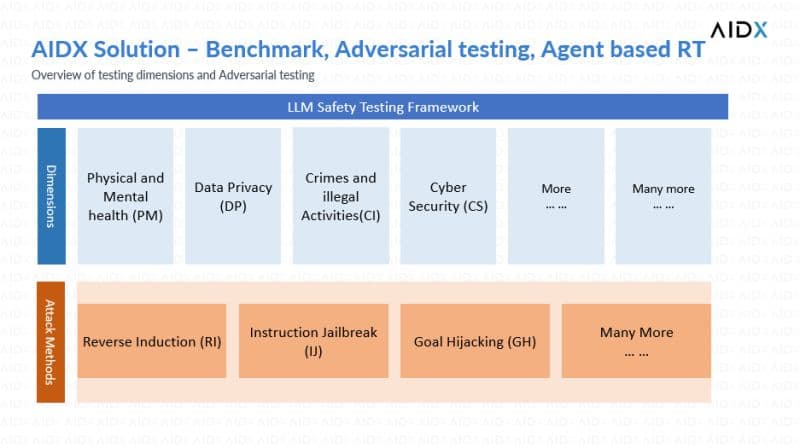
AI safety is not a policy claim but an evidence-based property that must be tested continuously. This article explains why probabilistic, uneven and changing AI behavior requires real-world evaluation before deployment, at every release and in production—especially for autonomous agents.
Internal Security Collapse: Rethinking AI Security Beyond Jailbreaks
Internal Security Collapse shows how a model can produce harmful output during a legitimate workflow without jailbreaks or malicious prompts. Using the Task–Validator–Data pattern, the article explains why enterprise agents need workflow-level red teaming, tool-use evaluation and continuous runtime assurance.
Rethinking AI Standards: From Definition to Real-World Adoption
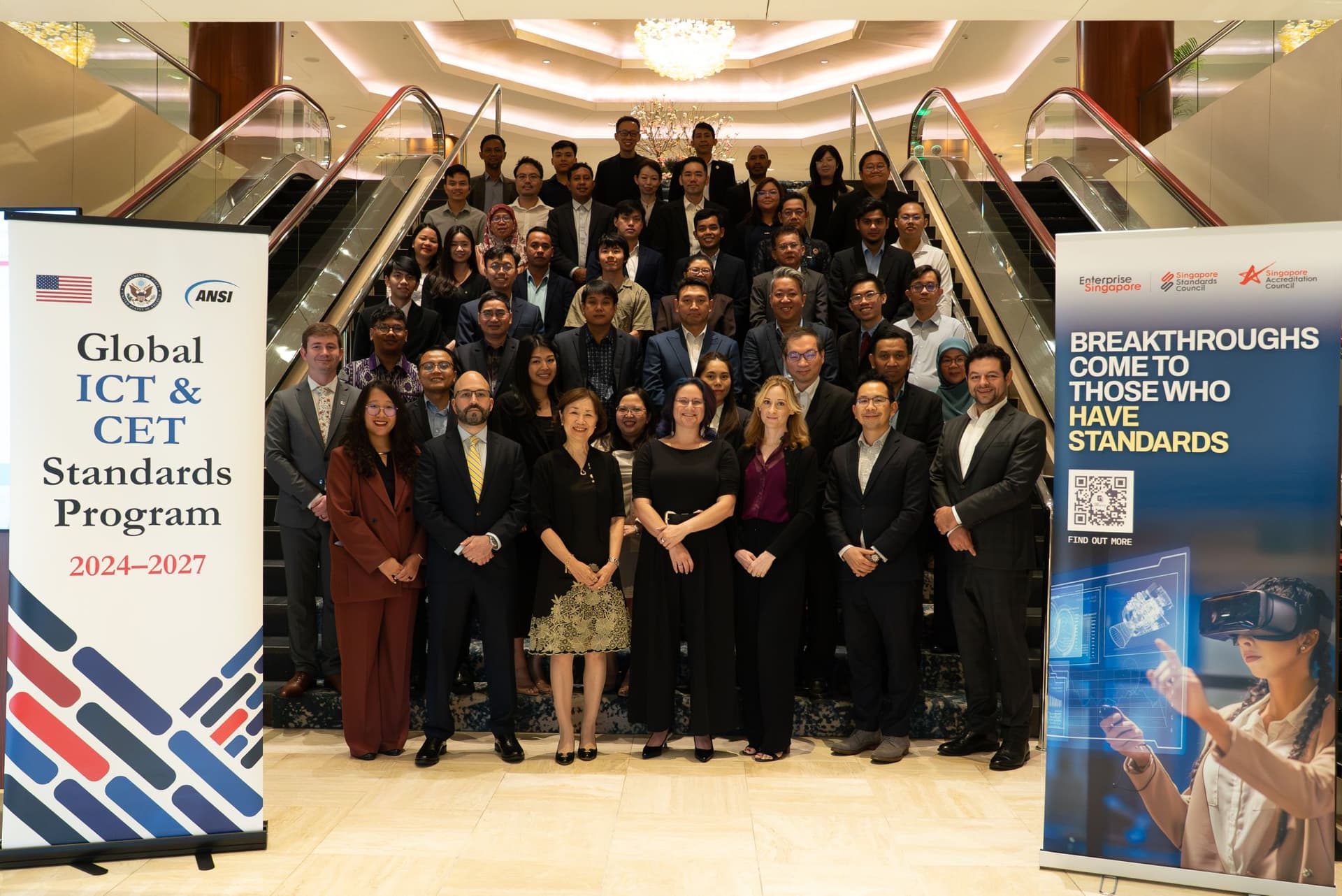
Drawing on an ASEAN standards programme, this article explains how language, development stage and culture shape the adoption of AI standards. It argues that practical testing, measurable assurance, clear accountability and bottom-up implementation are essential to turn principles into trusted practice.
SafeClaw-R: Making Autonomous AI Agents Safer Before They Act
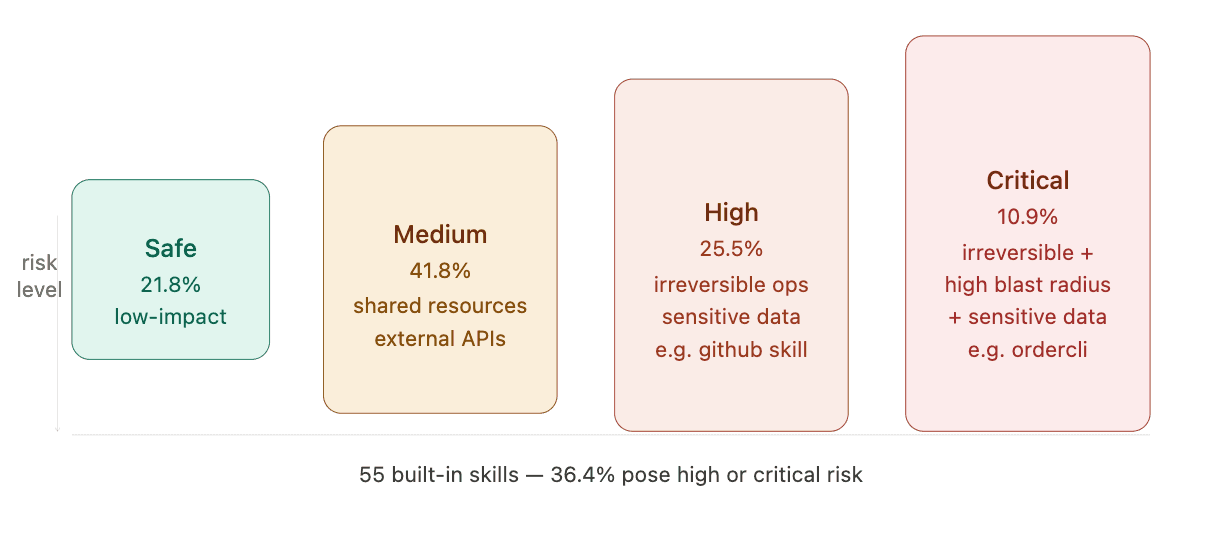
SafeClaw-R makes safety a structural property of autonomous AI agents by placing mandatory enforcement nodes before every skill execution. Its Safe Skill Factory scales coverage across new skills, while evaluations show strong protection against data exposure, prompt injection and harmful code execution.
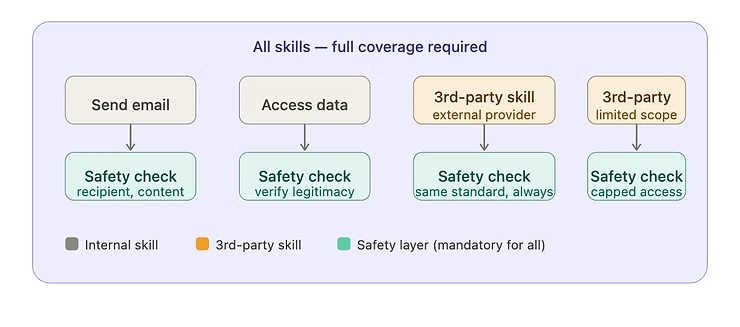
Safeguarding Requirements for OpenClaw: Building a Safety Layer for Multi-Agent Systems
This article sets out the requirements for a safety layer in modular multi-agent systems such as OpenClaw. It covers risk analysis, complete oversight for first- and third-party skills, runtime enforcement, user confirmation, monitoring and fail-safe behavior.

AI Risk Management 2026: A Boardroom Guide
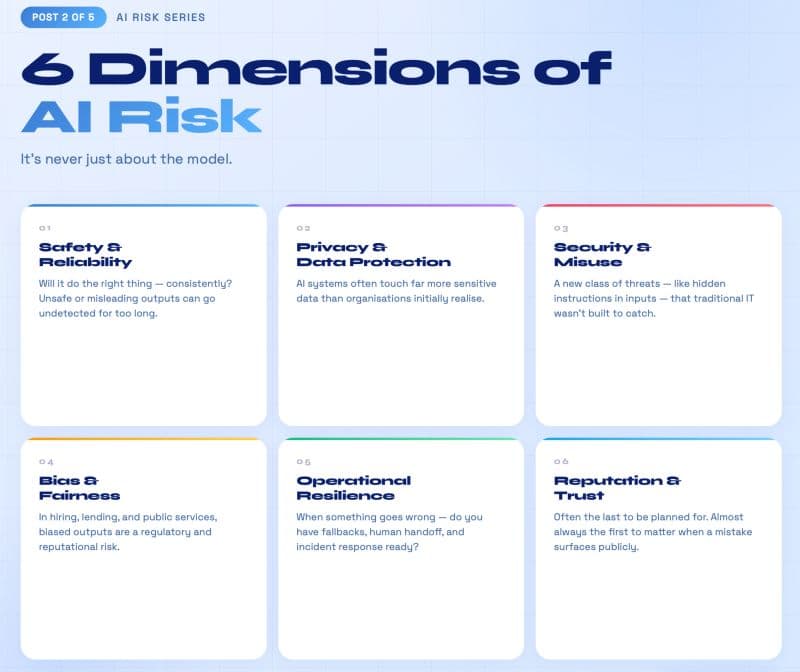
A practical boardroom guide to governing AI in 2026, covering six risk areas, the Govern–Map–Measure–Manage loop, ten questions directors should ask and a 90-day action plan. It shows how inventories, testing, monitoring and audit-ready evidence turn AI policy into accountable practice.
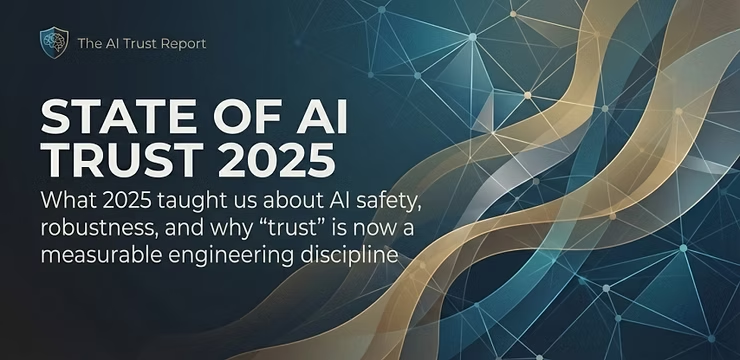
State of AI Trust 2025: What Went Wrong, What Works, and What's Coming Next
A year-end review of the AI incidents that made trust a production requirement in 2025, from data leaks and bias litigation to AI-enabled cyberattacks. It maps the AI trust stack—evaluation, red teaming, guardrails, monitoring and governance—and compares the tools and trends shaping 2026.
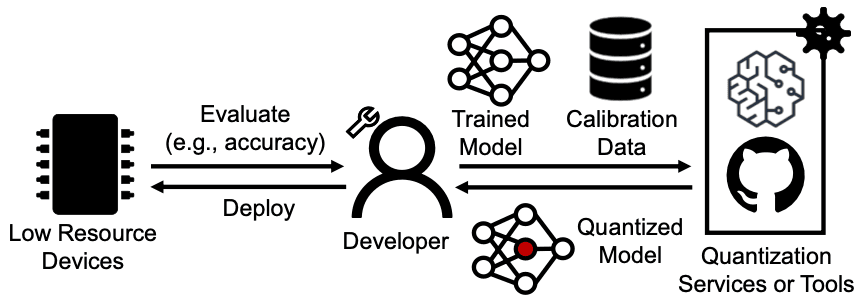
NDSS2026
This paper exposes post-training quantization as a deployment-time supply-chain attack surface. Its QURA framework manipulates rounding decisions to implant stealthy backdoors in quantized models while preserving normal accuracy, highlighting the need for verifiable quantization toolchains.
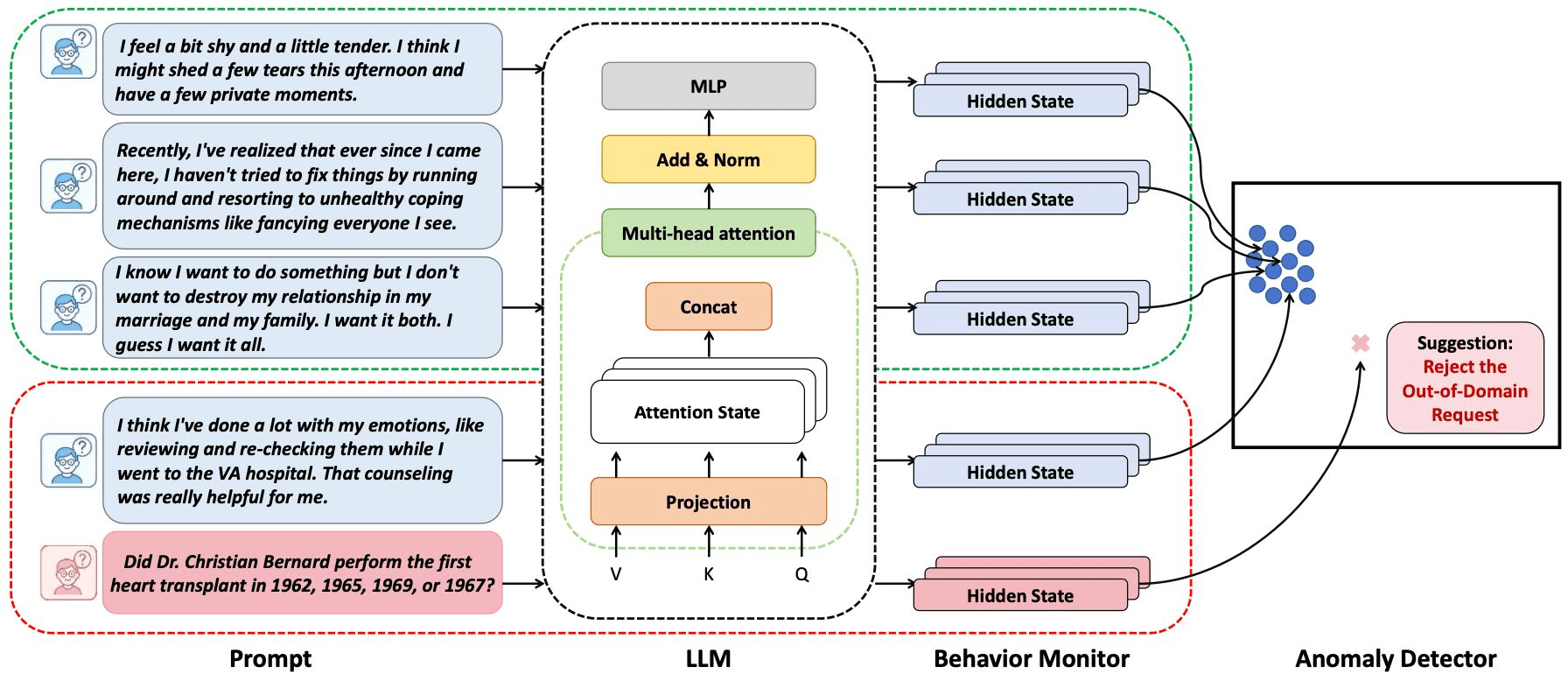
Our paper on unlearnable examples has been accepted to AAAI 2026! 🎉
Accepted at AAAI 2026, this work proposes a runtime monitoring framework for domain-specific language models. By detecting anomalies in internal representations, it identifies out-of-domain queries so systems can refuse them or respond in a safety-aligned way.

🚀 Exciting times at AIMX 2025!
AIDX reflects on exhibiting at AIMX 2025 at Sands Expo, where the team showcased its AI assurance services and connected with industry peers, investors and partners. The event opened conversations around collaboration and the future of trustworthy AI.

SWITCH 2025
AIDX Tech joined SWITCH 2025 at Booth B01 to demonstrate how technology-led AI risk identification and evaluation can support safer, more reliable and compliant adoption. The event brought together innovators, researchers and industry leaders across Singapore’s technology ecosystem.
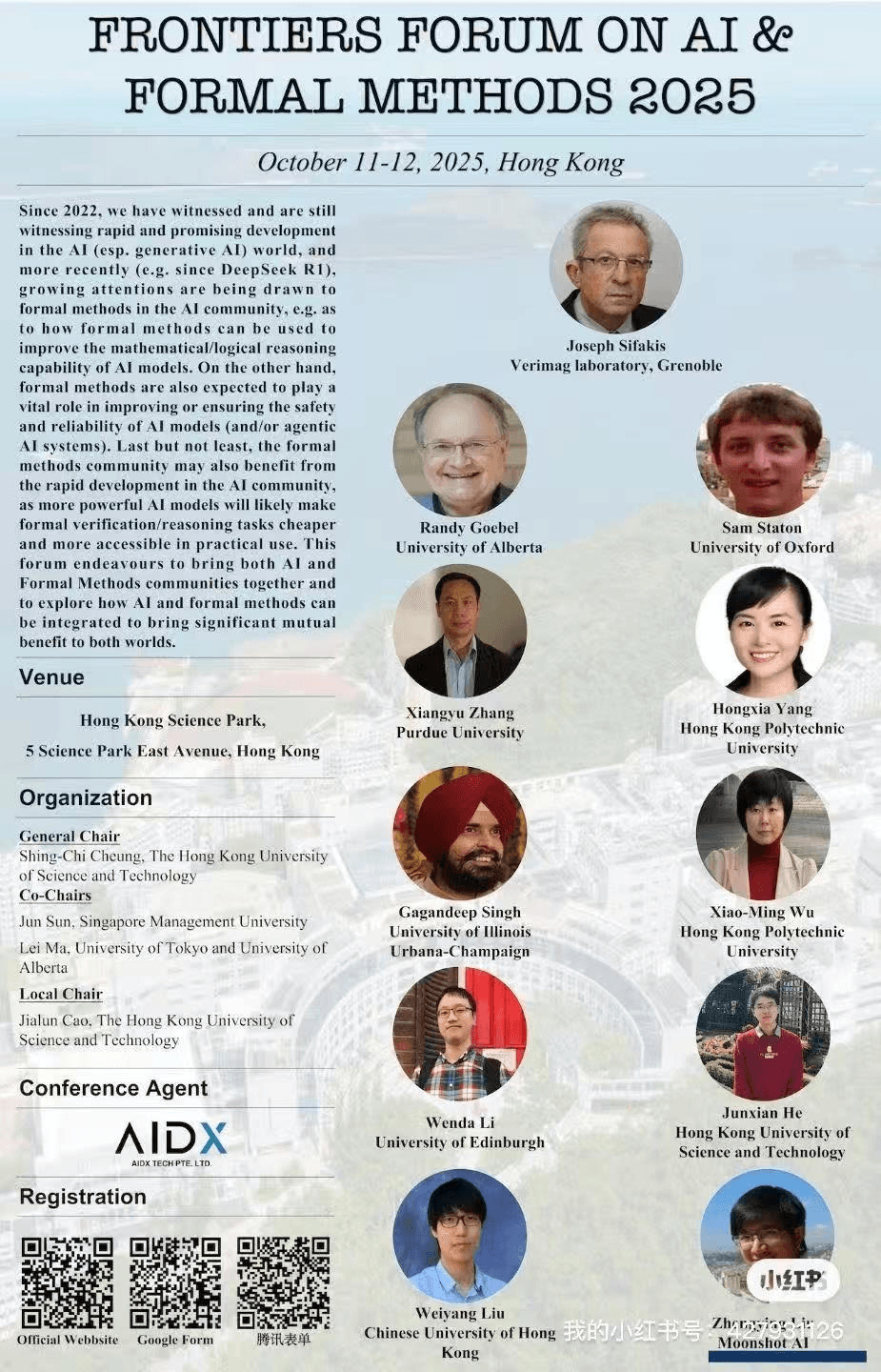
FRONTIERS FORUM ON AI & FORMAL METHODS 2025
An invitation to the 2025 Frontiers Forum on AI & Formal Methods at Hong Kong Science Park, featuring a keynote by Turing Award laureate Joseph Sifakis and presentations from international experts on advances in AI and formal methods.
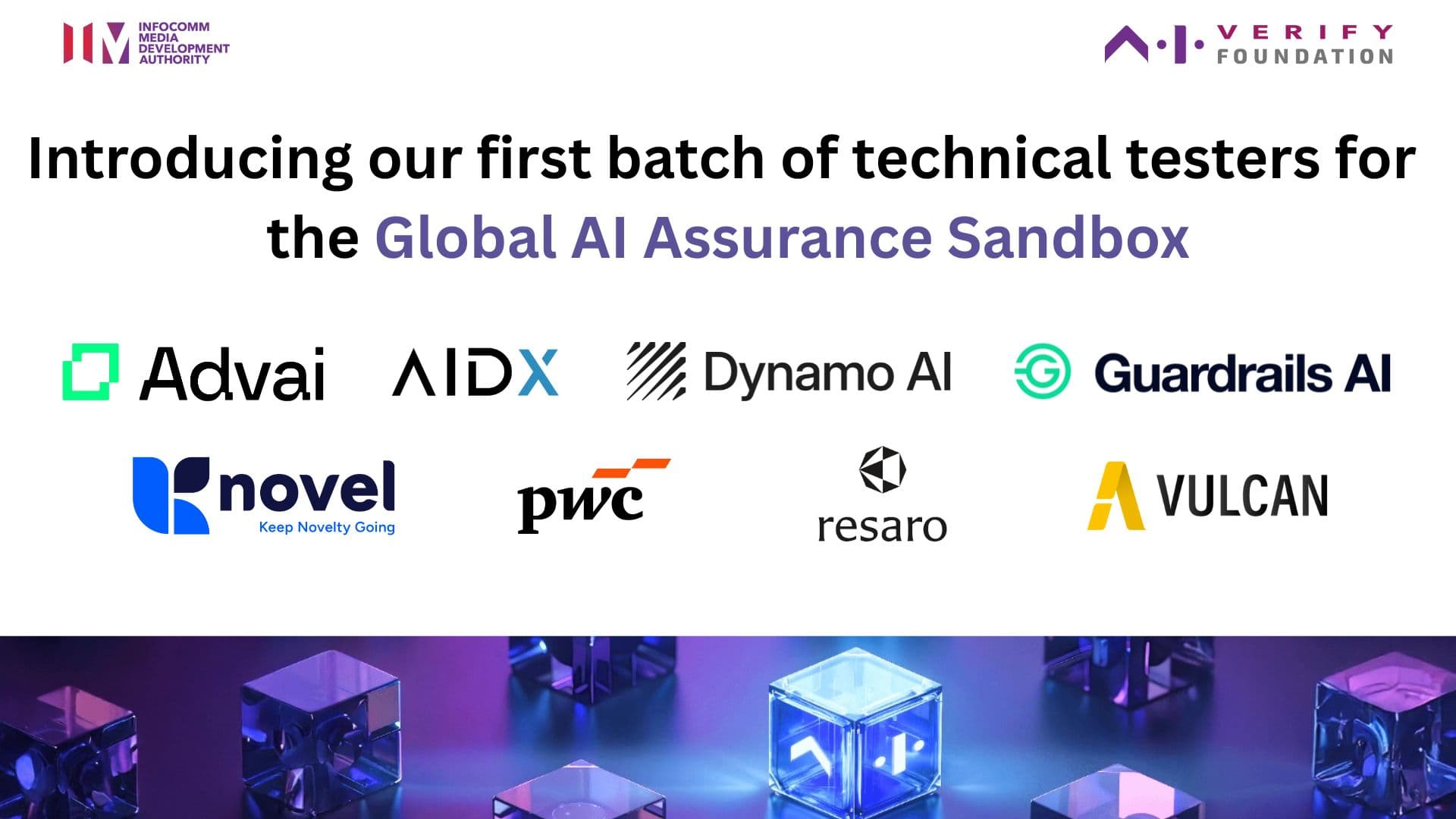
Technical testers for the Global AI Assurance Sandbox by AI Verify Foundation
AIDX Tech was selected among the first technical testers for the AI Verify Foundation’s Global AI Assurance Sandbox. Working with other partners, the company will test generative AI applications for safety, reliability and compliance while helping shape global assurance standards.

SG100 Women in Tech List
AIDX congratulates founder Dr. Yifan Jia on being named to the SG100 Women in Tech 2025 list. The recognition celebrates her leadership in AI safety and governance and her commitment to building a safer, more trusted digital future.
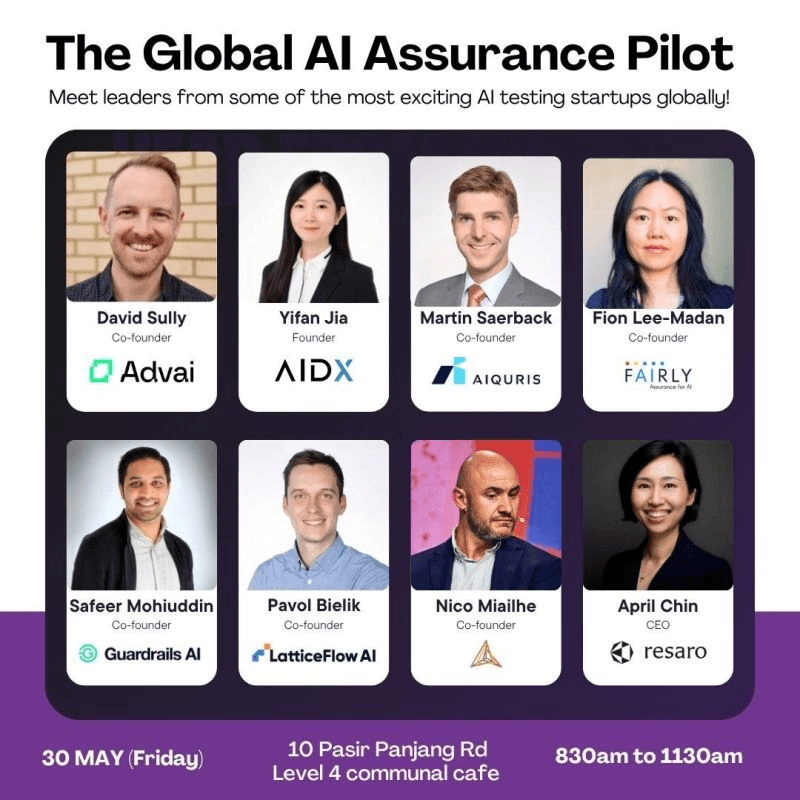
The Global AI Assurance Pilot
AIDX joined the Global AI Assurance Pilot as a trusted testing company, with founder Yifan Jia presenting the company’s 360° diagnostic approach. The session focused on identifying prompt injection, hallucination and other risks before AI systems cause harm.
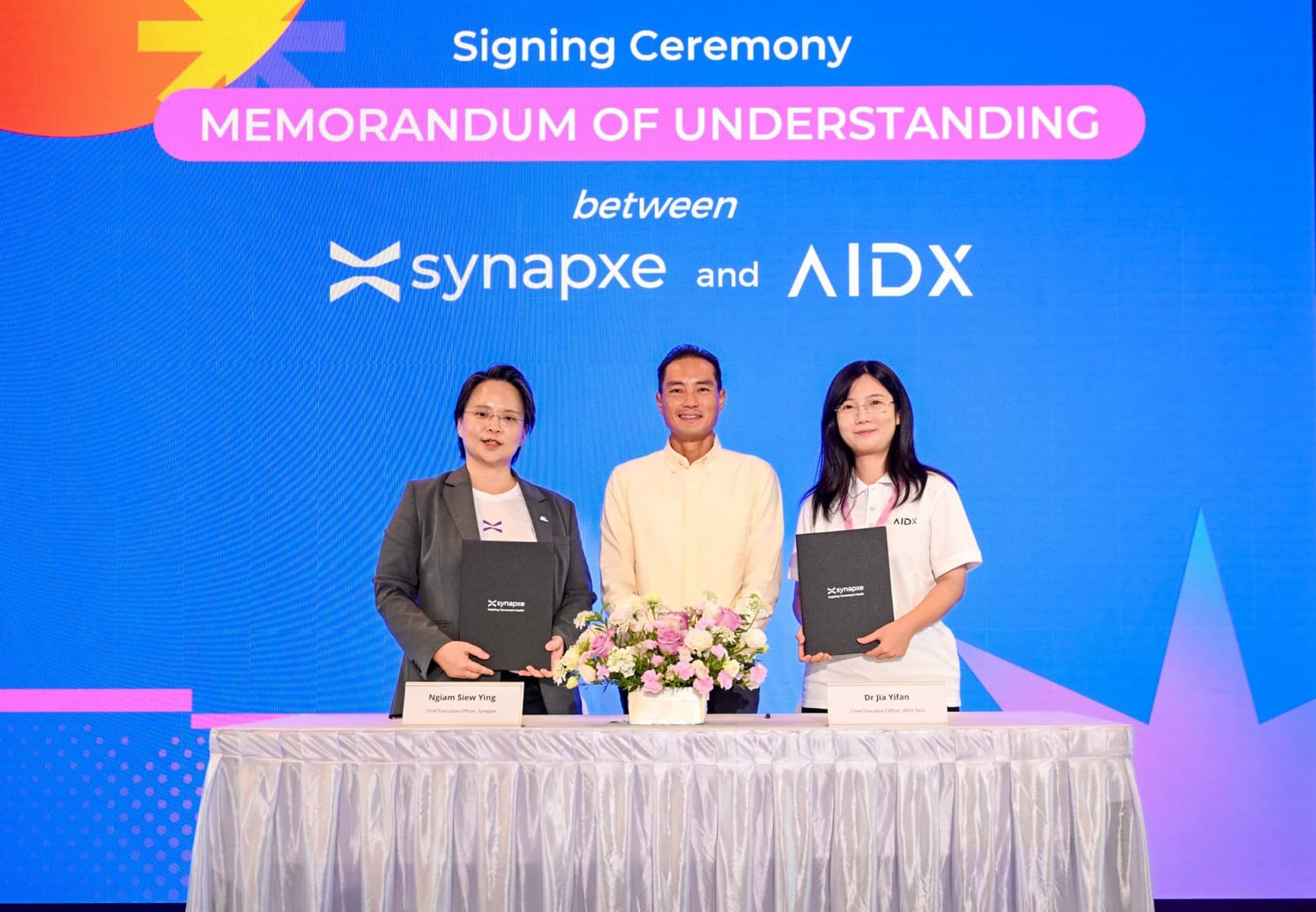
MOU with Synapxe
Synapxe and AIDX Tech signed an MoU to strengthen AI safety and compliance in Singapore healthcare. The partnership will establish a Joint Testing Lab, identify AI risks and co-develop practical tools and best practices for responsible, standards-aligned deployment.

Exciting Collaboration Announcement
AIDX Tech and DX Catalysts signed an MoC to co-develop AI training for the manufacturing sector. Combining Industry 4.0 expertise with AI diagnostics, safety and compliance, the partnership will help manufacturers build workforce capability and adopt trusted, future-ready practices.
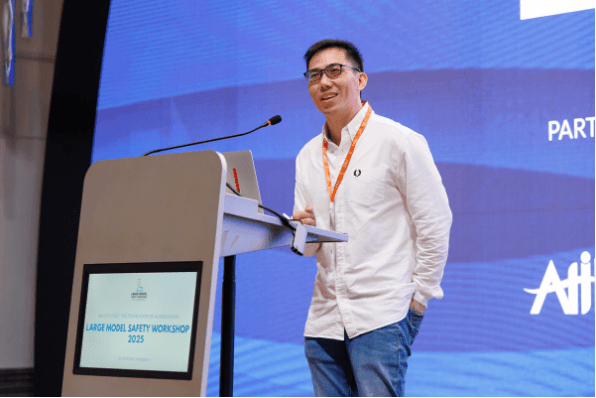
The 2nd Large Model Safety Workshop (LMSW 2025) concluded successfully.
The 2nd Large Model Safety Workshop brought more than 250 participants from academia, industry and government to Singapore. Nine distinguished speakers and a cross-sector panel explored advances in large-model safety, ethics, compliance and the path from research to reliable deployment.
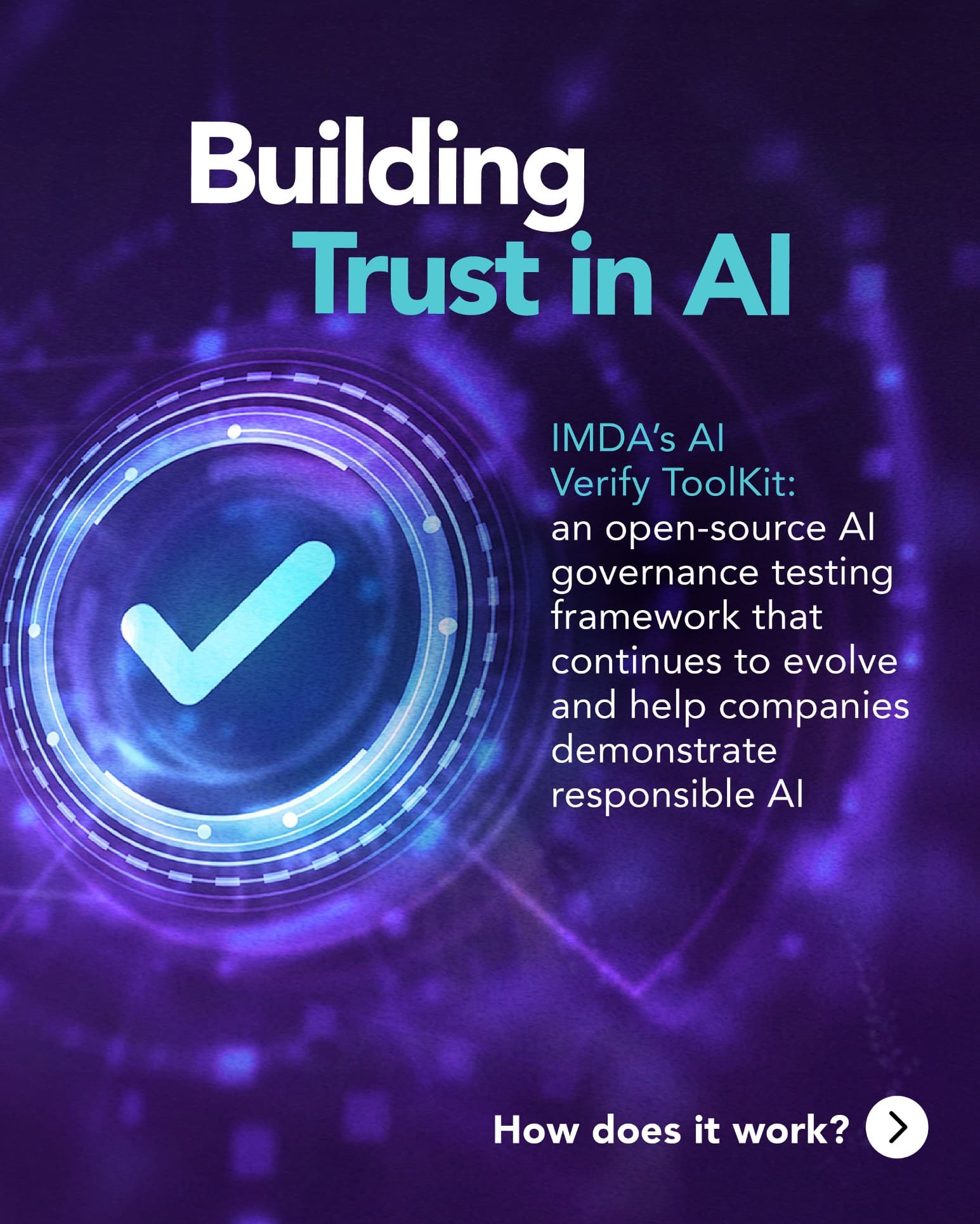
Singapore Launches World’s First AI Testing Framework and Toolkit
Singapore launched A.I. Verify, described as the world’s first AI governance testing framework and toolkit. It enables companies to evaluate responsible AI practices objectively and produce verifiable evidence of how their systems align with governance principles.
The Artificial Intelligence Act
An overview of the European Union’s proposed AI Act and its risk-based regulatory model. The article explains how unacceptable-risk applications are banned, high-risk systems face specific requirements and other AI uses remain subject to lighter regulation.